
Nutley Family Service Bureau (NFSB) will host the second annual Inclusive Mental Health Symposium, a virtual event, on Thursday, June 18 from 9:15 am – 5:15 pm. The theme is “Transforming Care: Inclusive Mental Health Practices for People with Disabilities.” This article is part of a series that will preview the event’s presentations and profile the subject matter experts.
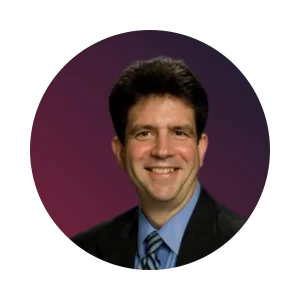 In his role at The Boggs Center on Disability and Human Development at Rutgers University, Philip Smith, PhD, LMHC, LMFT, LPC offers community-based and applied training to professionals who work with people living with disabilities. He has also seen some of the most challenging cases that are being served through the children’s system of care.
If a care manager indicates that a youth is not making progress, or there is conflict or tension within the team – including behavioral analysts, clinicians, and parents – the care manager can apply for technical assistance. In this case, Dr. Smith is called in as a consultant to help them overcome barriers to progress.
For example, one case involved a youth with autism spectrum disorder (ASD) who was exhibiting tactile hallucinations. He wasn’t seeing things or hearing voices, but feeling things crawling on his skin or inside his head. He engaged in severe self-harming behavior out of frustration. In addition to communication impairments related to autism, he refused to talk to certain people.
“I worked with the team to develop of a variety of sensory-based distraction strategies because the hallucinations were tactile,” Dr. Smith said. “When reviewing the youth’s history with the extended treatment team and psychiatrist, we realized that he had been more stable on a previous medication. The psychiatrist transitioned the youth back to that medication, which has resulted in more stability in his behavior.”
In this case, bridging the gap between the clinician and direct support professionals was an important part of this work. Creating alignment between parent expectations and service providers’ interventions and supports is essential to achieving positive outcomes, especially with co-occurring mental health conditions and disabilities.
About the Presentation
“Statistics now indicate that 40% of adults with autism are diagnosed with co-occurring anxiety disorders,” Dr. Smith said. “But there’s also research that indicates 80% of people with autism, if they’re just observed on video, exhibit significantly heightened levels of behaviors that are associated with anxiety. We want people to recognize the importance of helping people with autism cope with anxiety.”
During his presentation at the NFSB Inclusive Mental Health Symposium, Dr. Smith will share the importance of:
Looking for signs of anxiety in individuals with ASD.
Advocating for clinical assessment of these concerns.
Identifying ways to adapt daily support planning and behavioral planning to address concerns about a potential anxiety disorder.
A model for integrating diagnosis and treatment of an anxiety disorder with a Functional Behavior Assessment and Proactive Behavior Support Plan also will be presented.
“Many symptoms of autism are also symptoms of anxiety disorders,” Dr. Smith said. “The tendency is to attribute all the difficulties to autism, and to under-identify anxiety disorders in people with autism. This creates a barrier to accessing treatment. We’ll explore basic strategies for coping with anxiety, including medication and relaxation exercises, and how to get clinicians more actively engaged in treatment process.”
In many cases, a person with an anxiety disorder can perform at a certain level when calm. However, when anxiety is triggered, they can no longer perform at that level. The change is often interpreted as oppositional behavior instead of being attributed to anxiety.
“The person is seen as being difficult or uncooperative rather than not being able to function as effectively because of their anxiety,” Dr. Smith said. “That’s a pattern that many people can relate to. If you’re getting ready for a meeting with your boss and you’re really nervous, you might not prepare as effectively because anxiety is causing stress and disorganization.”
If someone is overwhelmed by anxiety, relaxation exercises can be incorporated into their treatment plan during key moments when they tend to become anxious. When “difficult behavior” is reduced, the individual can be engaged more constructively and proactively.
About Dr. Smith
Dr. Philip Smith, PhD, LMHC, LMFT, LPC is an Assistant Professor of Pediatrics at The Boggs Center on Disability and Human Development at Rutgers University. Dr. Smith’s work at The Boggs Center involves a variety of projects designed to increase the capacity of New Jersey-based programs to effectively support individuals with developmental disabilities, mental illness, and extremely challenging behavior.
Dr. Smith earned his PhD in Clinical Psychology from the New School for Social Research in New York City. Prior to joining The Boggs Center, he worked extensively in the area of positive behavior support and autism services. This included the development and delivery of training and technical assistance programs to schools and residential treatment programs across New York, as well as collaboration with the New York Autism Network (New York State Education Department). He also has developed several positive behavior support training curricula and implemented “Train the Trainer” programs to facilitate delivery of this training.
Dr. Smith has presented on autism and positive behavior supports at statewide, national, and international conferences. Recent publications include co-authoring the book, Positive Strategies for Students with Behavior Problems, and contributing a chapter on “Diagnosing and Treating Children and Adolescents with Co-occurring Depressive Disorders” in the edited volume Mental Wellness for Youth with IDD (intellectual and developmental disabilities).
Learn more about the symposium and Dr. Smith’s presentation here.