
Nutley Family Service Bureau (NFSB) will host the second annual Inclusive Mental Health Symposium, a virtual event, on Thursday, June 18 from 9:15 am – 5:15 pm. The theme is “Transforming Care: Inclusive Mental Health Practices for People with Disabilities.” This article is part of a series that will preview the event’s presentations and profile the subject matter experts.
While attending grad school, Melissa Cheplic was studying biology and chemistry and working in the behavioral health field. She started to see the equity disparity for people with disabilities. As she became more familiar with the needs of people in this community, she wanted to discuss the impact of equity disparity on a larger scale.
Melissa shifted her career focus from science to service and hasn’t looked back.
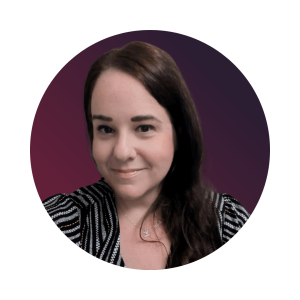 “People with disabilities, including intellectual and developmental disabilities (IDD), are significantly more likely to experience poor health outcomes across the lifespan and barriers to care in all different settings,” Melissa said. “Health inequities persist, including
in mental health, especially for those who don’t use verbal language to communicate.”
As Senior Training and Consultation Specialist at The Boggs Center on Disability and Human Development at Rutgers Medical School, Melissa provides training to disability provider partners throughout the State of New Jersey, focusing on behavioral health and mental health. The Boggs Center offers both required training and supplemental content on topics such as dual diagnosis, anxiety, health equity, and trauma-informed supports.
“Direct support professionals, clinicians, managers, supervisors, and job coaches see the Boggs Center as their training source to help them elevate their work,” Melissa said. “We provide information on how to apply best practice in their everyday work so they’re better equipped to navigate the system for people they’re supporting.”
About the Presentation
From intake and assessment to treatment and follow-up care, people with disabilities face barriers at every stage of care. Their needs are frequently misunderstood or overlooked due to communication differences in therapist’s offices, emergency rooms, primary care practices, and other clinical settings. Inaccessible environments make it more difficult for people with disabilities to have their needs met.
“Suppose there’s a long wait time, the physical space is uncomfortable, or it’s crowded and noisy,” Melissa said. “Patients with trauma history or anxiety or those who don’t use verbal language could feel unsafe or uneasy if the provider doesn’t have the tools and resources to communicate. This can delay treatment and add access barriers on top of those that already exist.”
The purpose of this session, Creating Accessible and Inclusive Clinical Settings, is to provide practical strategies that:
- Elevate best practice in any clinical setting.
- Remove barriers to care.
- Improve communication methods.
- Make care environments accessible for people with IDD and mental health conditions with technology, visual cues, space modification, and more.
- Help providers fully understand the needs of people with disabilities, better prepare for appointments, and advocate for accommodations.
“These strategies reduce crises, misunderstandings, and frustrations by creating more supportive interactions,” Melissa said. “Better communication leads to better outcomes. The goal should be to normalize accessibility as a part of good clinical practice, not a specialty topic. After receiving wonderful feedback from last year’s symposium, I’m excited to partner with NFSB to support more equitable, inclusive health networks for people with disabilities across the state.”
About Ms. Cheplic
Melissa Cheplic is a Senior Training and Consultation Specialist at The Boggs Center on Disability and Human Development at Rutgers Medical School. She designs and delivers training and technical assistance to community providers, state agencies, health professionals, and University students. Melissa holds a master’s degree in public health and is a National Association for the Dually Diagnosed (NADD)-certified clinician.
Melissa has developed and presented nationally recognized curricula on behavior and mental health, health promotion and access, emergency preparedness, and workforce development. She coauthored the training manual, “Mental Health Approaches to IDD” and is featured in the book, “The Good Stuff: Practical Positive Supports for People with IDD and Mental Illness.”
Melissa lives in Northern New Jersey and is a Doctor of Public Health (DrPH) candidate at Rutgers University.
Register Today!
NFSB’s Inclusive Mental Health Symposium – Transforming Care: Inclusive Mental Health Practices for People with Disabilities – will be held virtually on Thursday, June 18 from 9:15 am – 5:15 pm. Attendees may choose to attend select sessions or all sessions. For more information about our presenters and sessions, and to register, visit the symposium page on the NFSB website.