
Nutley Family Service Bureau (NFSB) will host the second annual Inclusive Mental Health Symposium, a virtual event, on Thursday, June 18 from 9:15 am – 5:15 pm. The theme is “Transforming Care: Inclusive Mental Health Practices for People with Disabilities.” This article is part of a series that will preview the event’s presentations and profile the subject matter experts.
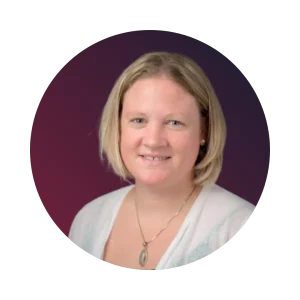
As an undergraduate student majoring in education and sociology, Dr. Jessica Bacon was recruited by a friend to work at a summer camp for primarily adults with intellectual disabilities. This helped her connect the dots between her education and their lived experience.
“There were a lot of older adults who were institutionalized throughout their lives,” Dr. Bacon said. “As I listened to their stories and heard about the horrible effects of segregation, I became passionate about this area of study. I continued working at the camp in grad school and gained a critical perspective on the highly restrictive, segregated spaces that many of the people who we served came from.”
 Dr. Bacon points out that New Jersey segregates students with disabilities in schools at a higher rate than any other state in the country. In fact, the majority of New Jersey special education students are placed in separate classrooms, schools, or out-of-district placements.
“This is a group of people who don’t get to interact with their peers in an academic learning space,” Dr. Bacon said. “But a lot of people with disabilities want to learn academically, be a part of regular life, and follow the same trajectories as their friends and siblings. College is the natural space for what’s called the transition age in the field of disability – to gain skills, learn, grow as a person, and gain a positive sense of identity.”
As a student at Syracuse University, which offers one of the largest on-campus programs in the country for students with intellectual disabilities, Dr. Bacon supported students saw the positive outcomes firsthand. Today, she coordinates inclusive education programs at Montclair State University to create opportunities to achieve positive outcomes.
About the Presentation
Studies have shown that students with disabilities perform far better on state tests when they’re included and have the same access to knowledge as other students. At the same time, research shows a positive or at least neutral impact on their peers who don’t have disabilities.
“Environments in special education tend to be more distracting, and there are a lot of negative social impacts because students have less access to relationships,” Dr. Bacon said. “It impacts a sense of self-identity because students are pulled away from everybody else and often put into a basement classroom or a separate school entirely. Their whole lives are organized around their disability, and it’s considered a negative thing.”
Instead of discussing disability pride and recognizing that people with disabilities represent the largest minority group, kids often go through school without ever discussing disability in a positive way.
Dr. Bacon’s presentation at the NFSB Inclusive Mental Health Symposium will explore:
- The current state of in/exclusion for people with intellectual and developmental disabilities (IDD) in New Jersey Schools and institutions of higher education.
- The literature base regarding the damaging impact of segregation on an individual with IDD on mental health, identity development, and relationships.
- An exemplary model of inclusive postsecondary education opportunities for young adults with intellectual disabilities across New Jersey and how they offer substantial benefits to individual development and access to mental healthcare.
- How attendees can advance the inclusion and positive mental health of all New Jersey citizens, including those marginalized by disability, by adopting an inclusive mindset and developing inclusive structures in their work.
Today, there are more than 350 inclusive post-secondary programs in the country. People who complete these programs report better life satisfaction, better relationships, higher employment rates, and more socialization opportunities. The key to making a difference is creating inclusive spaces in all areas of life.
“We don’t have to create big programs like I’ve done to promote inclusion,” Dr. Bacon said.
“Workplaces can promote inclusion. Medical facilities can promote inclusion. We all need to make sure people are respected, understood, and viewed not just through a deficit lens. This is how inclusion happens in everyday interactions.”
About Dr. Bacon
Dr. Jessica Bacon is an Associate Professor in the Department of Teaching and Learning at
Montclair State University. Dr. Bacon coordinates programs in inclusive education and co-founded the Increasing Access to College project and Certificate of General Education Studies, both of which offer inclusive higher education opportunities to people with intellectual disability labels at Montclair.
Dr. Bacon’s research is informed by disability studies. She investigates various topics related to inclusive education through a critical and intersectional lens and has recently published in journals such as the International Journal of Inclusive Education, Teaching Disability Studies, Critical Education, and Young Exceptional Children.
Register Today!
NFSB’s Inclusive Mental Health Symposium – Transforming Care: Inclusive Mental Health Practices for People with Disabilities – will be held virtually on Thursday, June 18 from 9:15 am – 5:15 pm. Attendees may choose to attend select sessions or all sessions. For more information about our presenters and sessions, and to register, visit the symposium page on the NFSB website.