
Nutley Family Service Bureau (NFSB) will host the second annual Inclusive Mental Health Symposium, a virtual event, on Thursday, June 18 from 9:15 am – 5:15 pm. The theme is “Transforming Care: Inclusive Mental Health Practices for People with Disabilities.” This article is part of a series that will preview the event’s presentations and profile the subject matter experts.
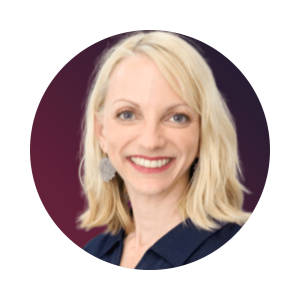 Elizabeth Hill, Executive Director of Human Services’ Division of the Deaf and Hard of Hearing (DDHH), has been a leader in the deaf and hard of hearing field for more than 25 years. She started her career providing mental health counseling.
“I have been deaf from birth,” Ms. Hill said. “My lived experience and professional experience inform my perspective. After providing direct care as a social worker, I coordinated mental health services across a 24-county region in Alabama before moving into human services on the director level.”
In her role at DDHH, Ms. Hill oversees services for individuals who are deaf and hard of hearing, as well as entities that work with the deaf and hard of hearing community. Services to entities include technical assistance, guidance on providing accommodations, case management, interpreter resources, assistive technology distribution, and specialized training, such as communications and sensitivity training.
“We also have a language instruction program for children ages 0-5,” Ms. Hill said. “Acquiring language during critical early developmental years has a correlation to mental health outcomes later in life. A strong foundation in language helps create a pathway for stronger emotional and mental health.”
About the Presentation
Everyone in the mental health field encounters people with hearing loss. Their needs and circumstances are very diverse, so understanding the nature of an individual’s hearing loss is essential to understanding the person and building a trusting relationship.
“An older adult who acquired hearing loss as a result of aging has very different needs than someone who has been deaf from birth,” Ms. Hill said. “A person with moderate hearing loss can communicate orally, but someone who has never been able to hear probably uses sign language as their primary form of communication.”
More than a medical condition, the nature of a person’s hearing loss can affect depression, anxiety, family dynamics, and how they interact with people, including counselors. It can even play into a person’s feelings about hearing loss itself.
“When someone wears glasses, nobody thinks twice about it,” Ms. Hill said. “Society doesn’t view hearing loss in the same way. Statistics say that by the time you reach 65, you’re probably going to have hearing loss. How likely is it that you’ll go get a set of hearing aids? There’s a lot of emotion tied to this. Clinicians need to understand these feelings and know how to approach the topic.”
Ms Hill’s presentation at NFSB’s Inclusive Mental Health Symposium will explore key considerations for effectively serving the mental health needs of deaf and hard-of-hearing communities. You’ll gain insights into how deafness and hearing loss fit within a holistic framework that acknowledges the whole person, and how diverse communication and linguistic needs influence mental health service delivery.
Ms. Hill will also provide an overview of DDHH programs and resources, highlighting how DDHH supports service providers in delivering accessible and culturally competent care.
About Ms. Hill
Ms. Elizabeth Hill is the Executive Director of Human Services’ Division of the Deaf and Hard of Hearing, with 25 years of experience dedicated to expanding access for deaf and hard-of-hearing individuals, particularly children and families. Her career is marked by innovative program development, dedicated leadership, and advocacy for policies that enhance the lives of individuals with disabilities.
Ms. Hill pioneered innovative communication and language access grants for New Jersey counties, which expanded access to sign language and captioning services as well as hearing induction loops. During the COVID-19 pandemic, her leadership was pivotal to increasing access to sign language communications during emergency briefings and other critical announcements.
Under Ms. Hill’s leadership, the Hearing Aid Assistance for the Aged and Disabled experienced significant expansion, providing more opportunities for qualified individuals to access hearing aids. Her creative approach extended to collaborations with Montclair University to expand access to audiology services across New Jersey through the mobile audiologist initiative.
Ms. Hill led the implementation of a groundbreaking model state government program for deaf and hard-of-hearing children aged 0-5. The program provides language instruction services to children and their families throughout New Jersey.
Her professional background includes roles as a school social worker serving children and families at the Pennsylvania School for the Deaf. She also served as Coordinator of Deaf Services with the Alabama Department of Mental Health, Executive Director of the Kentucky Commission for the Deaf and Hard of Hearing, and President of the Pennsylvania Society for the Advancement of the Deaf.
A Pennsylvania native, Ms. Hill holds a Bachelor of Arts degree in American Government and a Master of Social Work degree from Gallaudet University in Washington, DC.
Register Today!
NFSB’s Inclusive Mental Health Symposium – Transforming Care: Inclusive Mental Health Practices for People with Disabilities – will be held virtually on Thursday, June 18 from 9:15 am – 5:15 pm. Attendees may choose to attend select sessions or all sessions. For more information about our presenters and sessions, and to register, visit the symposium page on the NFSB website.