
Nutley Family Service Bureau (NFSB) will host the second annual Inclusive Mental Health Symposium, a virtual event, on Thursday, June 18 from 9:15 am – 5:15 pm. The theme is “Transforming Care: Inclusive Mental Health Practices for People with Disabilities.” This article is part of a series that will preview the event’s presentations and profile the subject matter experts.
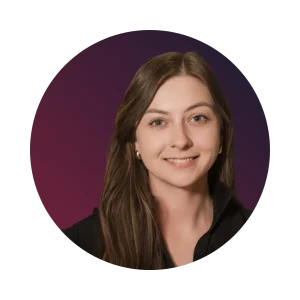 Samantha Messeck, MSW, LSW was diagnosed with attention-deficit/hyperactivity disorder (ADHD) when she was 14. As an adult, she has self-diagnosed her own autism.
“These experiences taught me a lot about myself, but also the lack of support that I feel many children have experienced in school systems and other settings,” Ms. Messeck said. “Neurodivergence in general has benefited from more awareness and support, but there’s still a lot of misunderstanding even as people become more accepting. Children are often misdiagnosed, and adults who are diagnosed later in life never received those supports when they really needed it.”
Because ADHD and autism can overlap significantly, misdiagnosis is common. This could result in students not receiving the accommodations they need, difficulty with emotional regulation, and an identity crisis within the child. The lack of appropriate support could lead to anxiety, depression, and other mental health conditions.
Individuals may turn to masking, a coping mechanism that suppresses neurodivergent traits to “fit in.” People seek to avoid judgment, bullying, and discrimination by changing how they behave and express themselves.
“We adapt the way we interact with others, almost scripting and practicing our conversations,” Ms. Messeck said. “This can also involve toning ourselves down in different ways instead of being our full selves. That can cause exhaustion when it comes to relationships because we use so much more energy to become more aware of how we might be communicating.”
About the Presentation
Parents of low-functioning children who, for example, are nonverbal or have tantrums are more likely to have their kids evaluated for autism or ADHD. However, children who excel academically are often overlooked even though they’re struggling to get good grades.
Also, scientific research has shown that women are less likely than men to be diagnosed with autism and ADHD. Women often process their thoughts more internally and are more reserved. In reality, they could feel socially awkward or just don’t know how to communicate.
This presentation explores the intersection of neurodivergence and mental health, with a focus on how masking, stigma, and lack of awareness contribute to missed or delayed diagnoses in people with autism and ADHD. Special attention will be given to the experiences of women, high-masking individuals, and those whose symptoms are frequently overlooked or misunderstood within healthcare and educational settings.
Drawing from both professional and lived experience, Ms. Messeck will examine the emotional and psychological impact of growing up undiagnosed or misdiagnosed, including effects on identity, self-esteem, academics, relationships, and long-term functioning. Participants will gain insight into commonly overlooked presentations of ADHD and autism, co-occurring mental health concerns, and the ways neurodivergent individuals often adapt to survive in systems not designed for them.
The presentation will also provide practical strategies for clinicians, educators, caregivers, and support professionals to foster more affirming, accessible, and strengths-based approaches when working with neurodivergent individuals across healthcare and school settings.
“I’m a big strengths-based person,” Ms. Messeck said. “Individuals with disabilities always hear about the things they can’t do. There are so many things they can do, but they just need the right tools and support. I hope attendees walk away from this presentation with a positive perspective on what we can do moving forward to increase awareness and offer more support to people living with neurodivergence.”
About Ms. Messeck
Samantha Messeck, MSW, LSW serves as the Coordinator for the School-Based Program and Inclusion Program at Gateway Wellness Center. She provides counseling services within schools and coordinates community events, staff development initiatives, advisory boards, group-based curriculum development, and other areas of programming and support.
Ms. Messeck is also an outpatient therapist with several years of clinical experience working with individuals across a wide range of backgrounds and needs. She previously served as a case manager supporting individuals of all ages with disabilities and chronic illnesses, and as a substitute teacher and paraprofessional within the Special Services School District while completing her degree.
Ms. Messeck has experience with both children and adults across a variety of diagnoses and treatment areas, including trauma, anxiety, depression, ADHD, and autism. As a neurodivergent clinician with lived experience navigating ADHD, Samantha is passionate about promoting inclusive, strengths-based, and trauma-informed approaches to mental health care and community support.
Register Today!
NFSB’s Inclusive Mental Health Symposium – Transforming Care: Inclusive Mental Health Practices for People with Disabilities – will be held virtually on Thursday, June 18 from 9:15 am – 5:15 pm. Attendees may choose to attend select sessions or all sessions. For more information about our presenters and sessions, and to register, visit the symposium page on our website.